
Day cream and night cream make sense as shopping labels when they help you picture a place in your routine. They should not automatically create two compulsory purchases. Start with your morning and evening habits, then compare the texture and current ingredient information of the products you are considering.
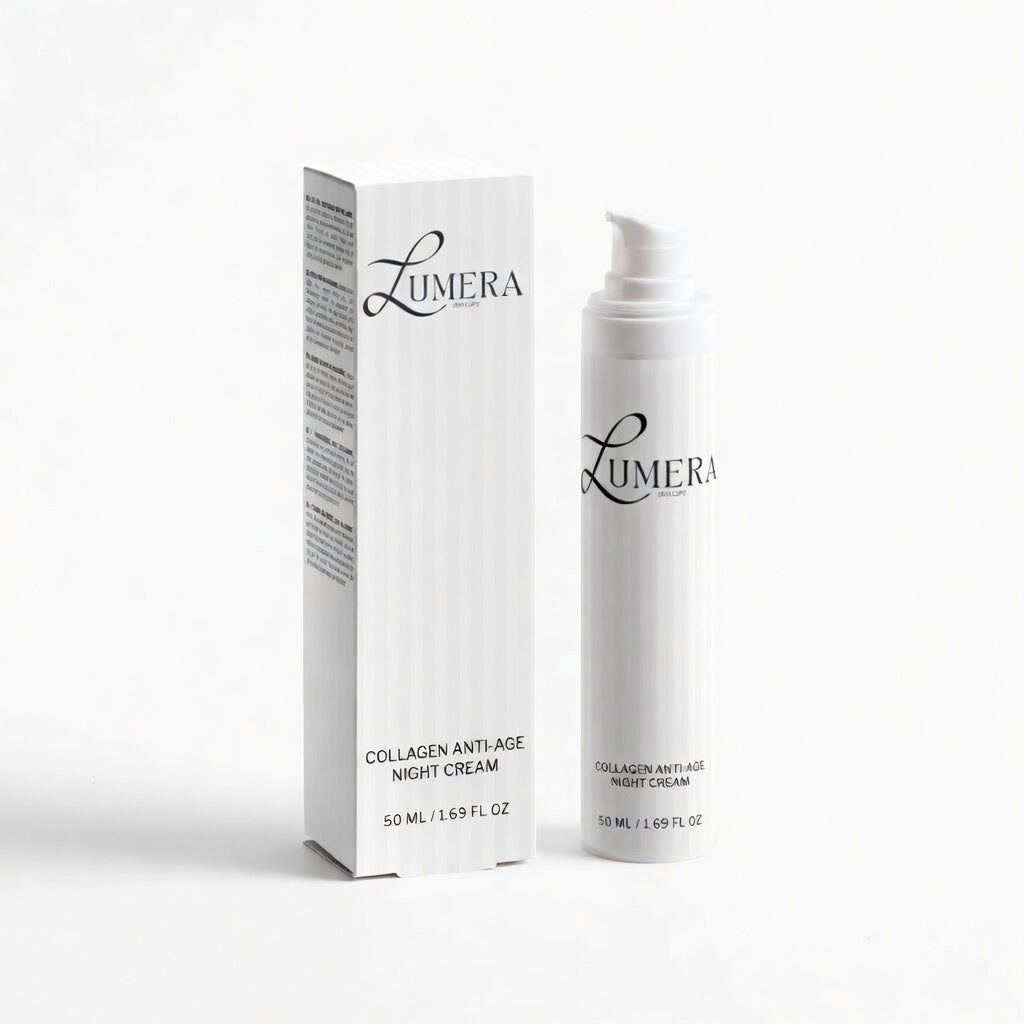
LUMERA's Collagen Anti-Age Night Cream is described as a soft, rich-textured cream. Its product description says to apply to clean skin in the evening. Cocoa butter, shea butter, sunflower seed oil, glycerin and Sodium PCA appear in its displayed INCI. Those details give an evening-cream comparison a concrete starting point.
Picture the morning separately
A weekday morning might involve getting dressed, finding space at a shared sink and putting products away before leaving home. Your preference may be for a cream format you enjoy using in that setting. The useful question is whether the product has a clear place, rather than whether a routine contains a designated morning bottle.
Anti-Age Day Cream is described as a velvety facial cream. Its listed ingredients include jojoba seed oil, shea butter, Betaine and hyaluronic-acid ingredients. The word “day” does not establish SPF, and the current product evidence does not verify a sunscreen rating. Keep sun-protection decisions distinct from the cream's name.
Give the evening its own practical context
Evening can be a different shopping moment because the routine happens after the day's other tasks. You might prefer keeping a labelled cream where you can reach it easily, or you may already own a moisturiser you like. A night-cream label describes an intended place in the range; it does not prove superior results while you sleep.
For the LUMERA night cream, “Collagen” is part of the product title. Collagen itself does not appear in the displayed INCI. Do not use the name to assume the cream replaces skin collagen, reaches a particular depth or produces a visible change by morning.
Compare descriptions without inventing a test
“Velvety” and “soft, rich” are the two catalogue texture descriptions. They can help you form a preference, but they are not a measured comparison of absorption speed, finish or performance. Avoid deciding that a richer description must mean a stronger formula, or that a day-labelled product always feels lighter.
Write down the texture you would like to explore and the product already filling that role. This keeps the comparison anchored to your own routine. If one existing cream already has a workable place, the second row can remain empty while you investigate another format.
Keep a serum on a different row
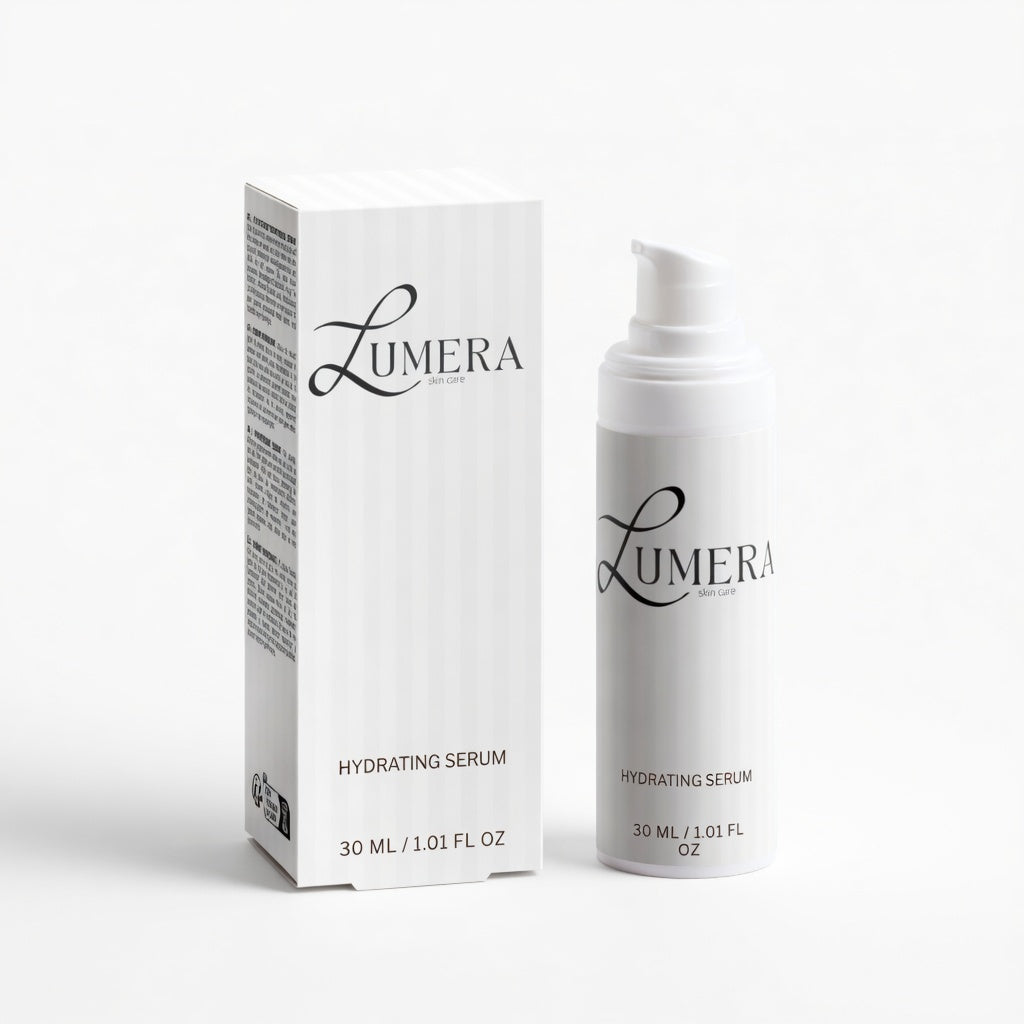
Hydrating Serum is a lightweight serum format with glycerin, Betaine and named hyaluronic-acid ingredients. It is another product choice, not a requirement for either cream. Adding a serum because a routine diagram shows one does not explain what job you want it to do.
All three products include fragrance in their displayed formulas. Their different names do not resolve a fragrance preference or establish individual tolerance. Read each complete current list rather than transferring an assumption from one bottle to the next.
Make an original two-moment note
Imagine a shopper who prefers a familiar cream in the morning but wants to compare a rich evening texture. Their note has one specific replacement question and one optional comparison. Another shopper may keep a single familiar moisturiser and leave both purchases for later.
The LUMERA skincare collection brings the formats together for that review. Choose around the moments you actually have, the textures you want to investigate and the directions supplied with the product. A useful day-and-night comparison can end with one cream, two considered choices or no change at all.

Leave a comment
This site is protected by hCaptcha and the hCaptcha Privacy Policy and Terms of Service apply.