
An autumn skincare edit can begin with your bathroom shelf rather than a new basket. The change in season is a useful moment to review which products you enjoy using, which textures interest you and which steps have become difficult to keep. It does not mean a familiar routine needs replacing all at once.
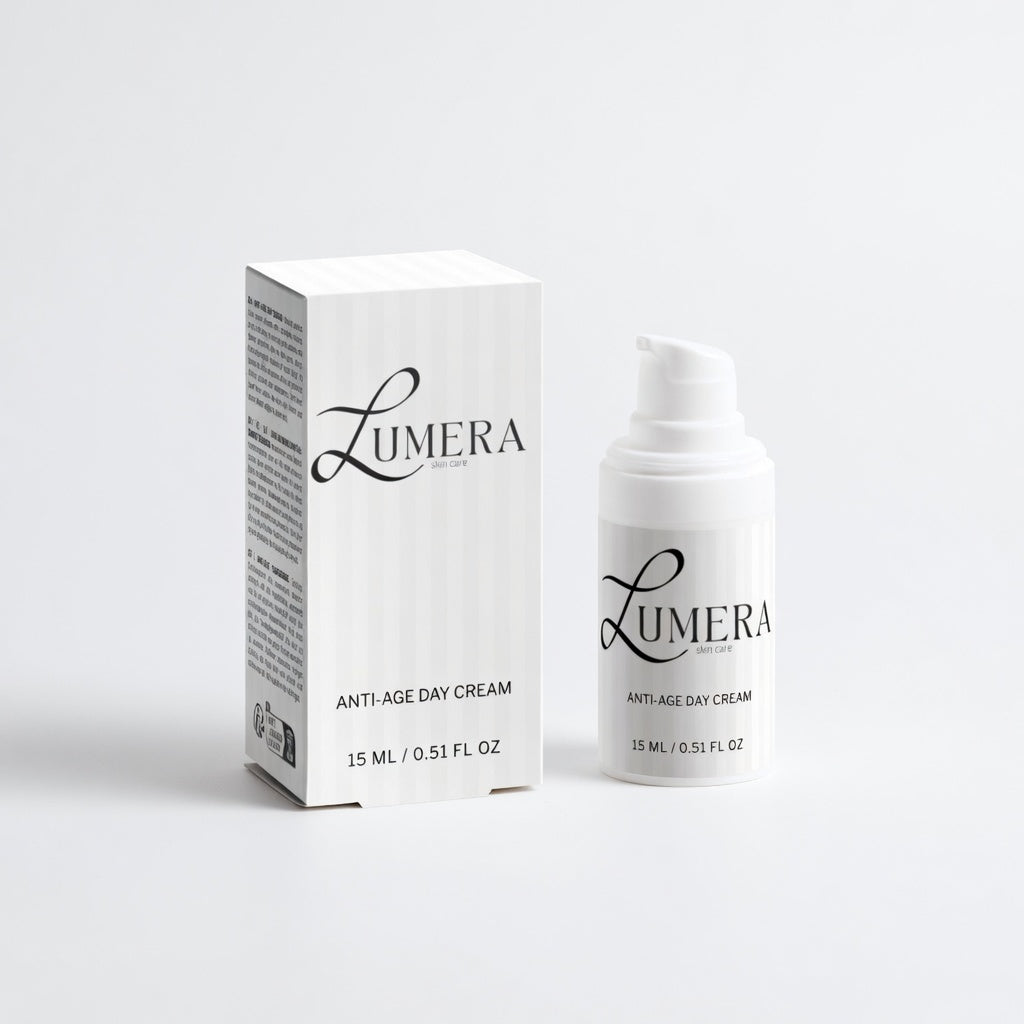
LUMERA's Anti-Age Day Cream is described as a velvety facial cream. Its displayed ingredients include aloe leaf juice, jojoba seed oil, Betaine, shea butter and hyaluronic-acid ingredients. It is a cream to consider within your routine, with no verified SPF rating and no promise that it meets every autumn skincare need.
Make an inventory before making a seasonal list
Take one shelf at a time. Record the cleanser, moisturiser and optional products currently there. Beside each, write “using”, “finished” or “not reaching for”. The aim is to understand your actual habits, rather than judging the number of bottles or forcing them into a trend-led routine.
A product you keep using may already have a clear place. A finished product creates a replacement decision. An untouched product raises a different question: did you forget it, dislike the format or buy it without a specific role? Those answers help you avoid repeating the same purchase pattern.
Review texture as a preference
A cream described as velvety is different catalogue information from a serum described as lightweight. These descriptions can guide your shortlist, but they cannot tell you exactly how the finished formula will feel to you. The label and complete ingredients still need a place in the decision.
For an original autumn worksheet, use two columns: “what I like now” and “what I want to compare”. You might record an easy-to-read label, a familiar cleansing step or interest in a different cream texture. Keep the entries concrete. “Buy everything for autumn” leaves the real preference unexplained.
Keep cleansing familiar where it works
Radiant Glow Facial Wash is LUMERA's rinse-off facial wash with a listed light foaming texture. Its ingredients include aloe leaf juice, glycerin and blackberry fruit extract. Consider it if you are comparing cleanser formats, rather than assuming a seasonal routine requires an additional cleansing product.
The choice is about your existing step and the product's actual directions. A crowded sink, an awkward storage arrangement or several partly used cleansers can make that step feel more complicated. Rearranging access may solve the practical problem without changing every formula.
Treat a serum as a considered extra
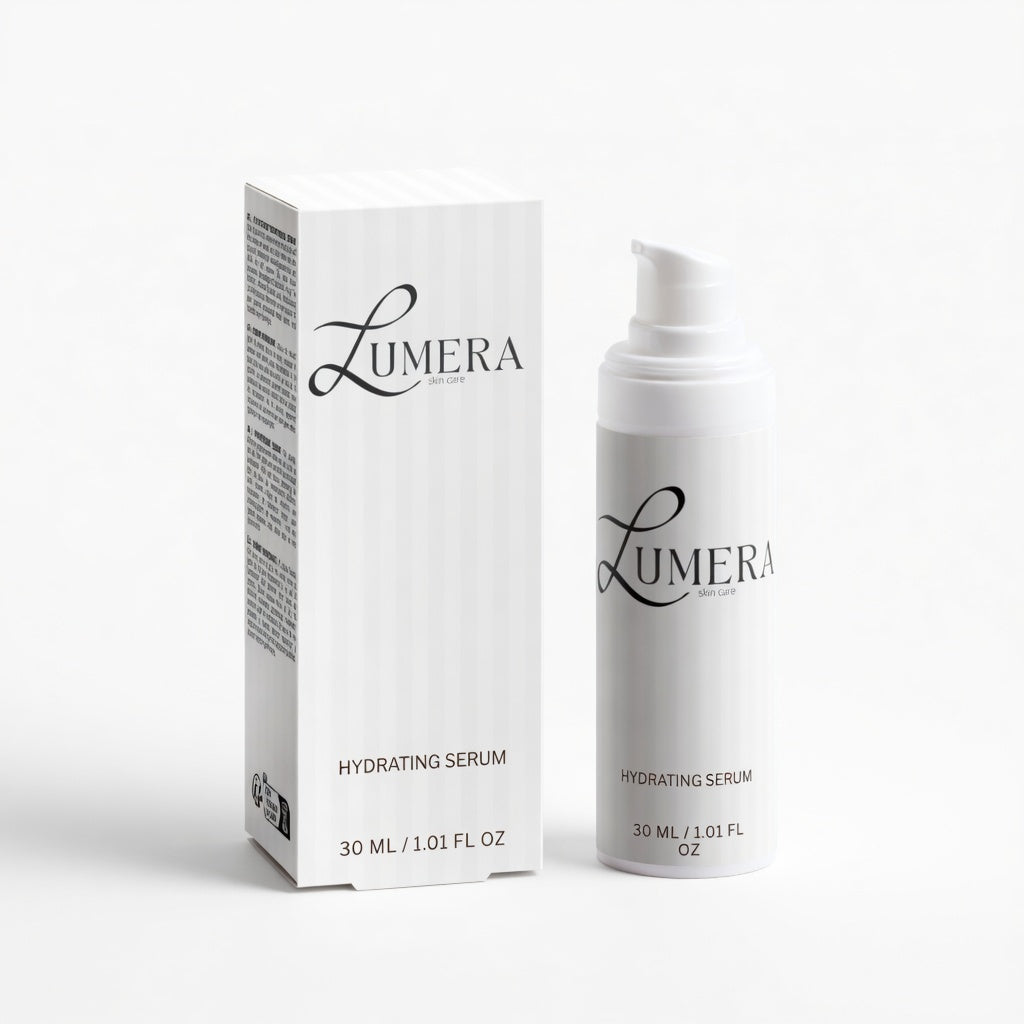
Hydrating Serum is a lightweight serum format containing named hyaluronic-acid ingredients, glycerin and Betaine. Its displayed INCI also includes Parfum and fragrance ingredients, so autumn comfort should not be translated into a fragrance-free or sensitive-skin promise.
Imagine a shopper who likes their current cream but is curious about a serum. Their autumn edit can place the serum in a “compare later” column while keeping their familiar cleanser and moisturiser. This hypothetical choice creates room to understand one potential purchase before building a larger routine around it.
Finish with a manageable edit
Choose the one decision that matters most: replace a finished product, compare a texture or make the shelf easier to use. Record the reason beside it. The LUMERA skincare collection is easier to browse with that purpose than with a general instruction to buy seasonal skincare.
A familiar routine can be reviewed without being treated as out of date. Let the season prompt a thoughtful check, then keep the products and steps you understand. A small edit should make daily use clearer, not give you another checklist to keep up with.
AAD's dry-skin guidance favours gentle care and moisturising. Persistent painful dryness or irritation deserves professional advice rather than a seasonal shopping fix. Read the source.


Leave a comment
This site is protected by hCaptcha and the hCaptcha Privacy Policy and Terms of Service apply.